
OVERVIEW
Working with fungi, this project proposes an accessible, versatile biomaterial protocol. It utilizes local waste streams to grow functional mycelium-bound structures, biomaterials, prototypes and final products. An experimental, small scale, carbon-negative system is modeled using monotubs, grow-tents and bio-printing methods. The materials’ performance and usability are evaluated through mechanical testing, surveys and workshops. This work was presented at Autodesk Research and featured on Designboom Magazine.

Mycotype Materials
Growing Regenerative Materials With Fungi
MASTER'S THESIS
Rhode Island School of Design
2022-23
Providence, USA
MY ROLE
For my Master's thesis, I investigated the potential of mycelium materials for structural applications, using custom compositions, environmental conditions and processes, modeled in a sustainable micro-system.
COLLABORATIONS
-
Rhode Island School of Design
-
Brown University
- Edna Lawrence Nature Lab
- CoWorks Interdisciplinary Lab
Advisors: Tom Weis, Jennifer Bissonnette (RISD), Dr. Andreas Mershin (MIT)
SKILLS
-
Biomaterial Innovation
-
Industrial Design
-
Mechanical Testing
-
Product Design
-
Teaching & Instruction
CHALLENGE
The Global Waste Scenario
The world generates over 2 billion tons of municipal solid waste annually, with at least one-third of that not managed in an environmentally safe manner (World Bank). By 2050, scientists predict more plastic will be in the ocean than fish, including micro-plastics that threaten marine life and contaminate human food and water.
The construction sector, reliant on concrete and metals, also contributes heavily to resource extraction and pollution. Food waste is a significant issue, with a third of food produced globally per year - 1.3 billion tons going to waste. There is a pressing need for innovative solutions that can divert and transform inevitable waste streams while providing true value to the ecology and the community.

RESEARCH
Fungi's Role in Nature
Nature has long provided elegant solutions to resource management and waste disposal, presenting valuable lessons for addressing the issues of the material domain identified in the previous section. A natural process that could solve our waste problems is that of mycelium, the underground network of fungi. Mycelium plays a critical role in decomposition, breaking down complex organic materials into simpler compounds used by plants and other organisms. It is made of threadlike structures called hyphae, and holds great potential for transforming waste into useful materials.

EXPERIMENTS
Working at the Intersection of Science & Design
For most scientists, the preferred research mode is one with fundamental questions, systematic experimentation, and repeatable results. The scientific revolution of discovering fundamental elements and processes found in biology, chemistry, and physics has been instrumental in creating a foundation of knowledge in universal systems. It has completely formed the society we live in today.
On the other hand, many designers focus on applying scientific, technological, and cultural data to creative and functional ideas and interventions. In working with biological materials such as mycelium, we need to incorporate both scientific and design research methods and adopt an interdisciplinary approach to biomaterials. following protocols, documenting results and iterating.


DESIGN
Material Design and Characterization
This project initially explored replacing foam with mycelium-based composites by optimizing substrate selection, mold design, preparation, and growth conditions. Using locally sourced sawdust and coffee grounds cultivated with Ganoderma lucidum, it developed a sustainable material system that transforms waste into biodegradable products. Pre-grown mycelium offered an accessible alternative to growing materials from scratch, while compressed composites, or myco-sheets, showed potential for improved density and rigidity. Limitations included sanding, fastening, and laser cutting which were addressed using heat-compressed mycelium sheets.
The research combined mechanical testing of compressive strength, water absorption, and density with an exploration of the material’s sensory, emotional, and functional qualities. A RISD workshop and survey involving 40 graduate students compared compressed and uncompressed samples, revealing strong interest in further exploration. Cultivation methods included mono-tubs, grow tents, and 3D bioprinting, offering different levels of scalability and fabrication precision.
Four product concepts demonstrated potential applications: a breathable planter, modular furniture, a motion-detecting lampshade, and furniture repair using mycelium paste. CAD modeling, 3D-printed molds, and customized fabrication processes enabled complex forms while exploring improvements in structural integrity, durability, and surface finish.
62% of the participants expressed their interest for material testing and prototyping and requested samples of custom composites. This enthusiastic response is a testament to the growing demand and fascination surrounding mycelium materials.
Material Composites
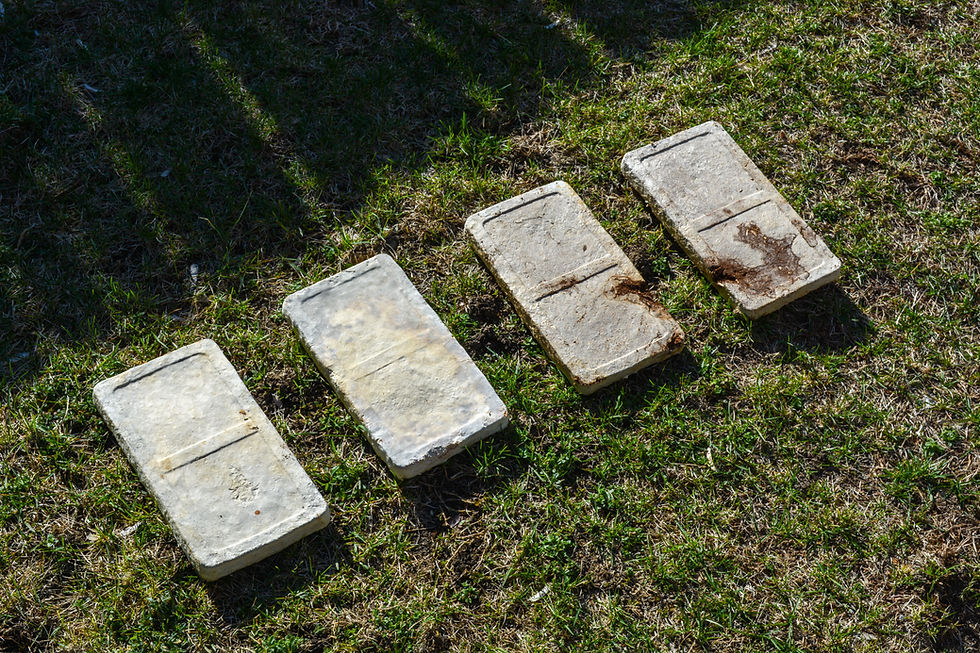


Material Characterization


Process Development


Product Applications


IMPACT
Disseminating Myco-Materialiazation
The experiments, objects and processes from this study were shared with the design community through two exhibitions, the book 'Fungi in Flux' and a series of talks and workshops for students, educators and professionals who are looking toward sustainable and circular materials in their work. Later, I presented this work at Autodesk Research Connections in 2024, and the work was featured on Designboom Magazine in 2025.
